
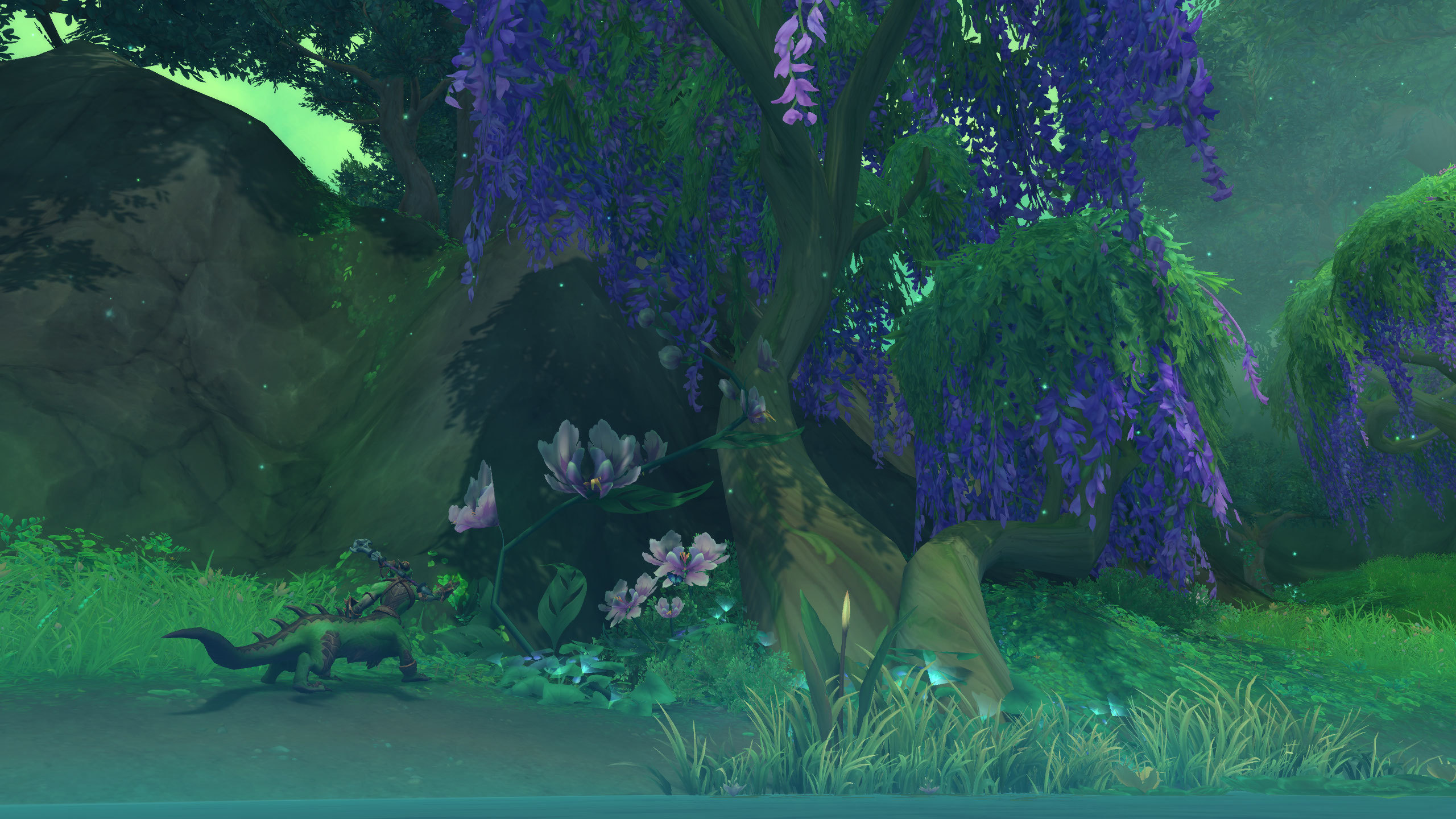

When Dragonflight launched, Dragonriding became one of the most transformative features in WoW’s history. For the first time, flight wasn’t just a convenience—it was a skill. Momentum-based mechanics, dynamic physics, and specialized talent trees turned travel itself into an engaging, rewarding activity.
This feature didn’t just redefine how players move—it reshaped how Blizzard designs the world, how players explore it, and how movement became an expression of mastery rather than monotony.
The Birth of Dragonriding
For years, flying mounts were a passive experience. Players pressed one button and soared across zones without thought. While convenient, it made the world feel smaller and less alive. Blizzard’s developers sought to change that in Dragonflight by making flight something you had to earn, learn, and master.
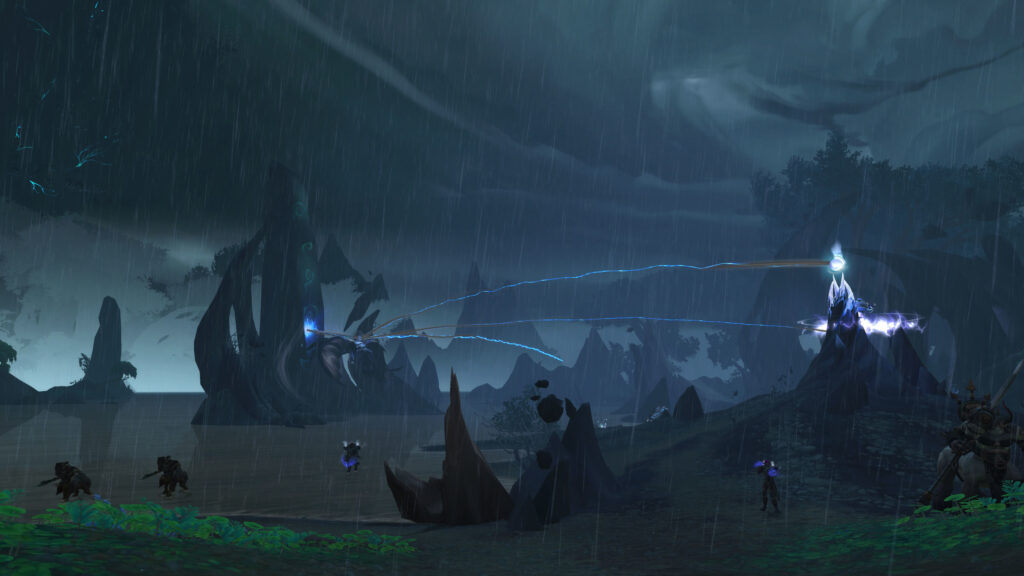
Dragonriding introduced speed, gravity, and control as core mechanics. Instead of static hovering, players dive, climb, and use momentum to maintain velocity. Suddenly, the act of moving from one point to another became a thrilling, hands-on adventure.
Mastering the Skies: Skill and Precision
Dragonriding rewards mastery. Players must manage vigor—a resource that controls how long they can stay airborne—and use terrain to regain energy. Each dive replenishes momentum, while sharp turns or inefficient climbs can slow you down. This adds a layer of tactical depth rarely seen in MMO movement systems.
It’s no longer about “getting there” but about “how” you get there. Skilled riders can glide from one zone to another without touching the ground, chaining momentum with perfect timing. It’s a system that turns travel into sport, rewarding knowledge and finesse.
Exploration Reimagined
Dragonriding reignited the spirit of exploration that defined early WoW. Players rediscovered the joy of seeing landscapes from new perspectives—gliding over mountain ranges, weaving through floating isles, and discovering hidden ruins tucked behind cliffs. The game’s geography suddenly mattered again.
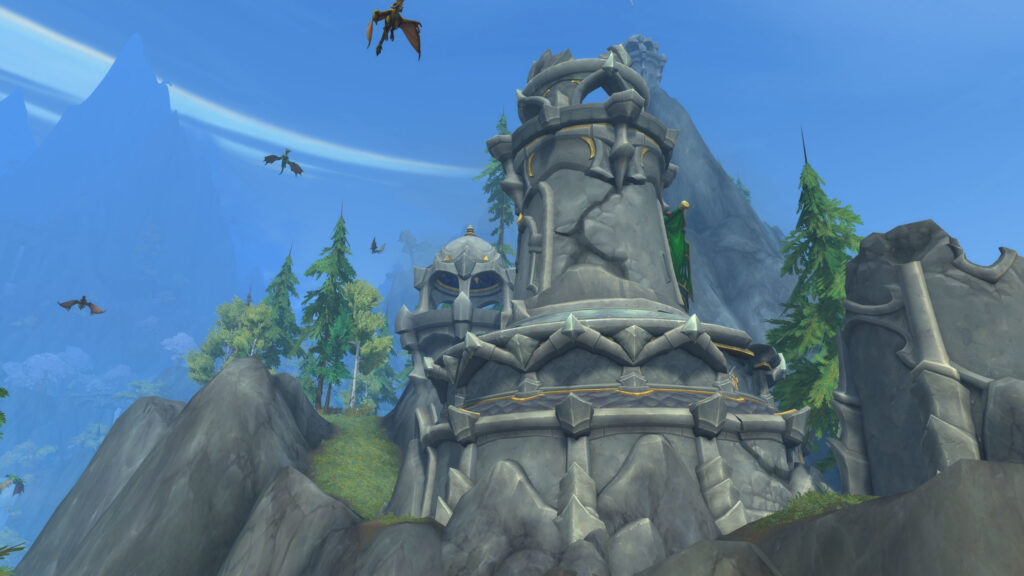
Blizzard also built zones around the new movement system, creating open spaces designed for flight paths and vertical navigation. From the rolling hills of the Waking Shores to the massive heights of Thaldraszus, every region feels like a flight course designed for creativity and freedom.
Customization and Progression
Every player’s drake feels unique. Customization options—from horn shapes to scale colors—allow for personal expression. But beyond cosmetics, the Dragonriding talent tree offers real gameplay progression. Players unlock abilities like Whirling Surge and Skyward Ascent to enhance flight control and endurance.
Collecting glyphs scattered across the Dragon Isles adds a sense of exploration-based progression. As players improve their dragons, flight becomes faster, smoother, and more exhilarating—proof that even traversal can be a long-term reward system.
Community and Competition
What began as a personal travel tool quickly became a social phenomenon. Players formed groups to race through courses, compete in time trials, and share flight routes online. Community-driven leaderboards turned Dragonriding into a friendly competition that rewards both skill and creativity.
Events like Dragonriding Races and weekly challenges helped keep the feature engaging long after release. For many players, perfecting their route became as satisfying as clearing a raid or topping a Mythic+ timer.
How Dragonriding Changed World Design
Perhaps Dragonriding’s greatest impact lies in how it changed Blizzard’s design philosophy. Developers began building zones that leveraged momentum and altitude. Instead of simple landscapes, they designed arenas of motion, encouraging players to interact with the terrain in three dimensions.
| Zone | Design Focus | Dragonriding Advantage |
|---|---|---|
| Waking Shores | Open terrain and wide turns | Ideal for learning speed management |
| Ohn’ahran Plains | Gentle slopes and strong updrafts | Perfect for long-distance gliding |
| Thaldraszus | Vertical cliffs and height variation | Best zone for chaining ascents |
This environmental synergy between gameplay and worldbuilding represents one of WoW’s most impressive design evolutions in years.
Why Dragonriding Feels So Rewarding
Unlike traditional flight, Dragonriding immerses players in constant movement and decision-making. Every flight path becomes a puzzle of momentum and resource use. The combination of speed, control, and freedom creates a flow state rarely achieved in MMO design.
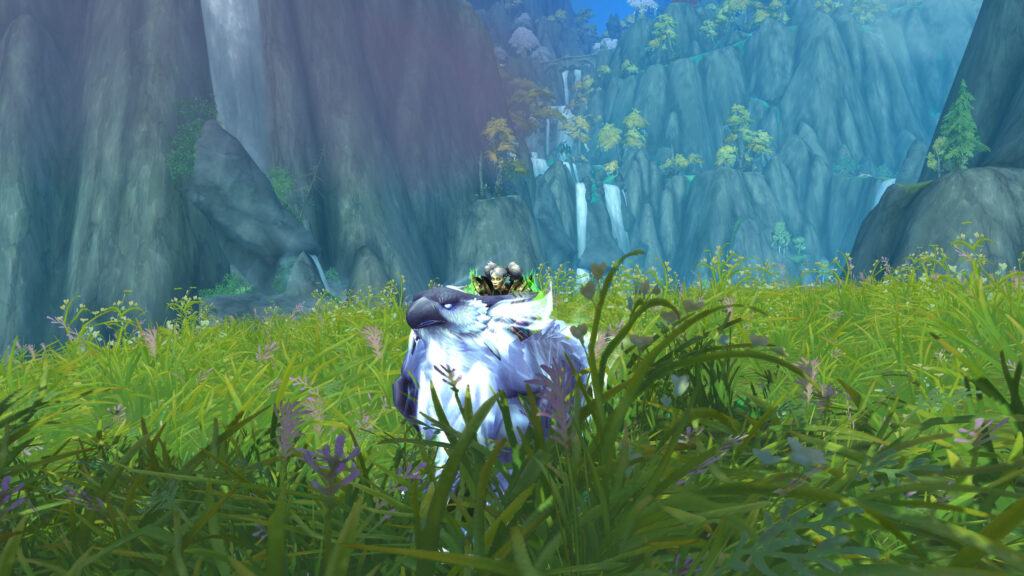
That feeling of accomplishment—of mastering the skies rather than passively flying over them—is what makes Dragonriding more than a system. It’s an emotional connection to movement, a return to the wonder that first drew players to Azeroth’s landscapes.
Conclusion
Dragonriding transformed travel from background noise into one of WoW’s most beloved gameplay systems. It’s a fusion of art, design, and mechanics that reminds players how exhilarating exploration can be when skill matters. Every flap, dive, and climb tells a story of mastery and discovery.
More than a feature, Dragonriding is a philosophy—a promise that even after two decades, WoW can still make the act of moving through its world feel new, alive, and endlessly exciting.