
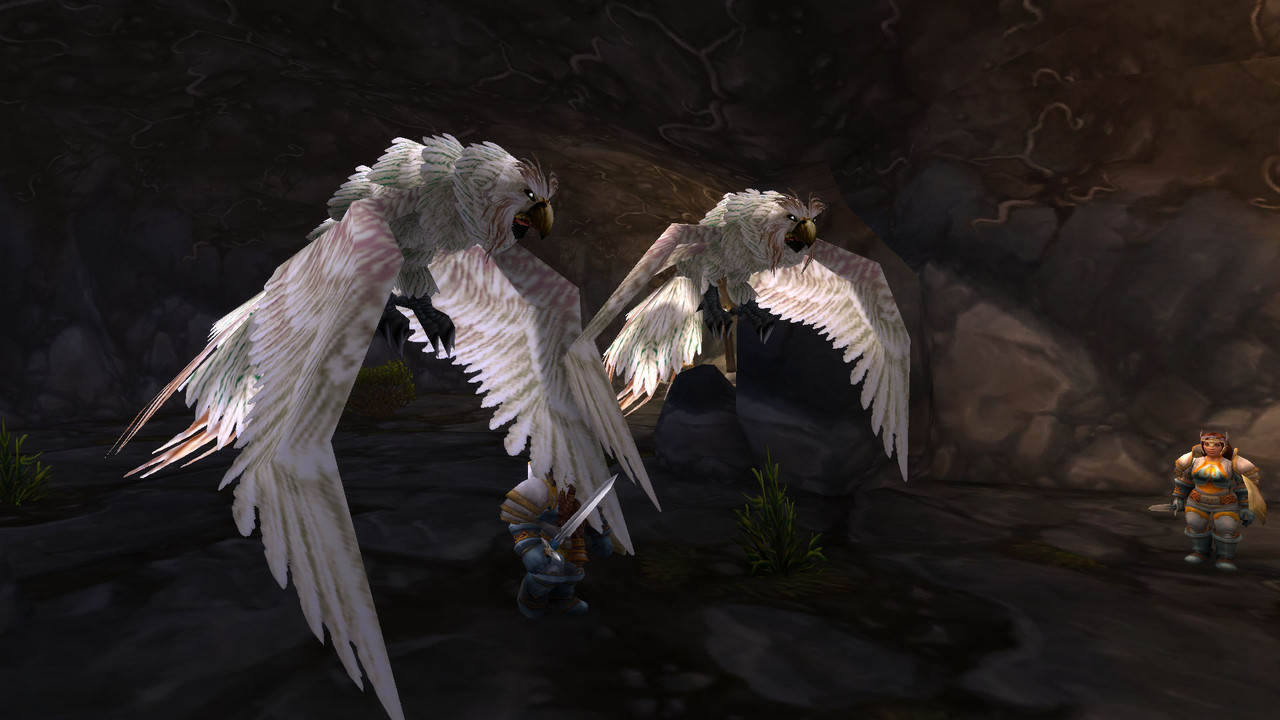

Alterac Valley, a battleground in World of Warcraft, has seen some of the most intense and prolonged battles in gaming history. Players have engaged in epic, multi-day clashes that transformed the landscape of PvP gameplay. This guide explores the mechanics, strategies, and unforgettable moments of these drawn-out encounters, providing insights for both nostalgic veterans and new players seeking to understand this iconic battleground.
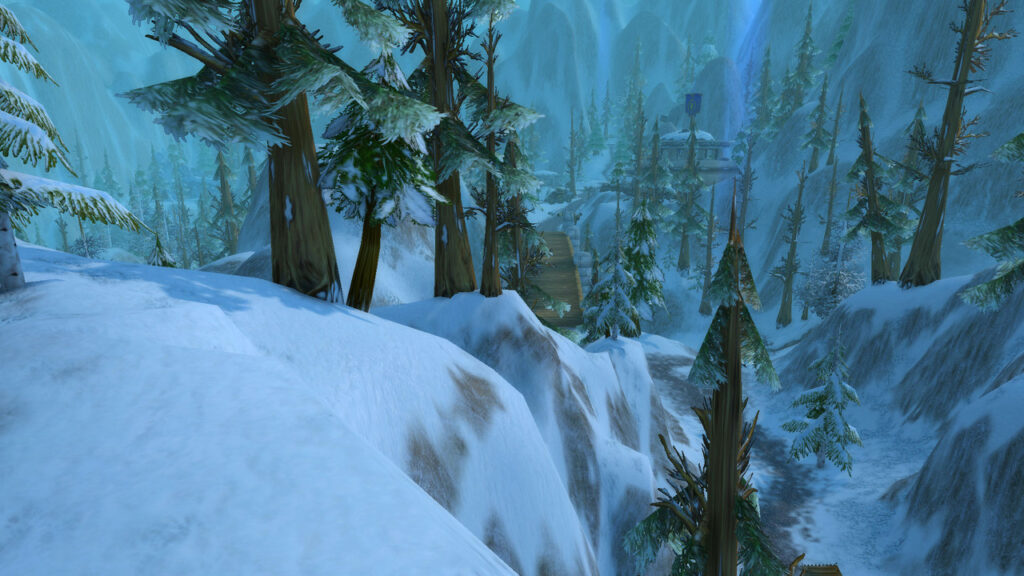
What made Alterac Valley battles last for days?
The prolonged battles in Alterac Valley were primarily due to strategic stalemates, resource management, and player coordination.
In the early days of Alterac Valley, the lack of a time limit combined with the vastness of the map allowed for drawn-out engagements. Players often found themselves in a tug-of-war scenario, where neither side could gain a decisive advantage. This was exacerbated by the mechanics of reinforcements, where each side could respawn indefinitely as long as they had enough resources. The strategic depth of the battleground encouraged players to dig in and fortify their positions, leading to extended skirmishes that could last for days.
Additionally, the introduction of objectives such as capturing graveyards and controlling resources added layers of complexity to the battles. Players learned to prioritize certain objectives over others, leading to shifts in focus that could prolong the conflict. The social dynamics of player coordination also played a critical role; guilds and groups would strategize and communicate effectively, leading to organized pushes and defenses that could stretch the battle over multiple days. This unique combination of factors created an environment where epic, multi-day battles became a hallmark of Alterac Valley.
How did players strategize during these long Alterac Valley matches?
Players employed a range of strategies including resource management, coordinated attacks, and defensive positioning to outlast their opponents.
During extended matches, resource management became crucial. Players needed to balance their use of consumables, such as food and potions, while also ensuring that their team maintained a steady supply of reinforcements. This often involved controlling key resource points on the map, which provided buffs and advantages to the team that held them. Additionally, players would often establish a rotation system for key roles, ensuring that healers and damage dealers were always available to support the front lines.
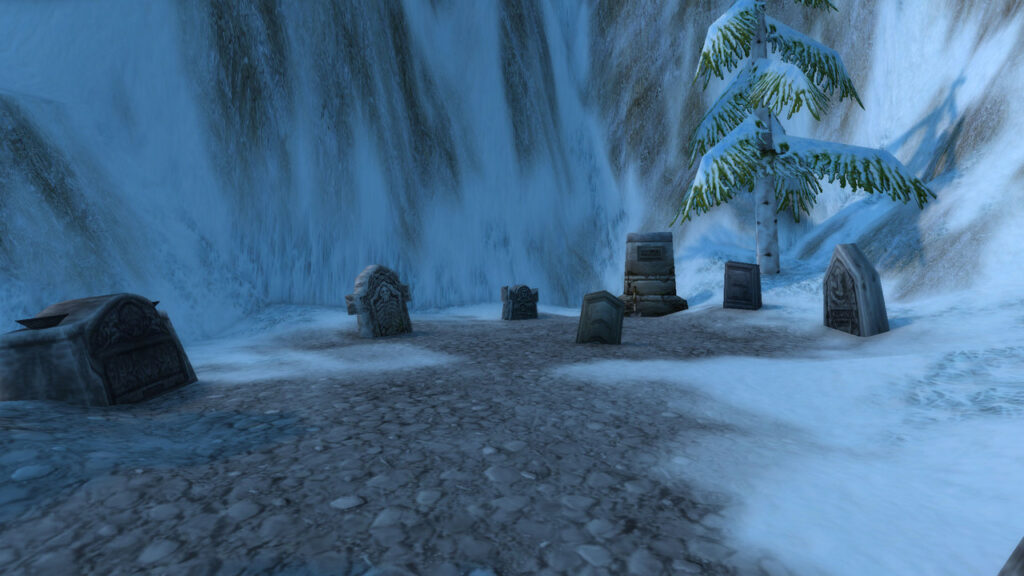
- Establish a base of operations at a key graveyard to minimize travel time and maximize reinforcements.
- Coordinate with team members to create a rotation of players for offensive and defensive roles, ensuring constant pressure on the enemy.
- Utilize terrain to your advantage by setting ambushes in choke points or high ground areas.
- Communicate effectively using voice chat or in-game tools to relay information about enemy movements and resource availability.
These strategies required not only individual skill but also a high level of teamwork and coordination. Players learned to adapt their tactics based on the flow of battle, often switching from aggressive pushes to defensive holds as the situation evolved. The ability to read the battlefield and make quick decisions was key to surviving these marathon encounters.
What were the key moments in the history of Alterac Valley’s long battles?
Key moments in Alterac Valley’s history include legendary comebacks, record-breaking match durations, and notable player achievements.
Throughout its history, Alterac Valley has been the stage for some of the most memorable moments in World of Warcraft. Players have reported matches lasting upwards of 48 hours, with both sides refusing to yield. These epic standoffs often featured dramatic comebacks where one side would rally after being pushed back, leading to a renewed offensive that could turn the tide. Notable players and guilds have emerged from these battles, often gaining fame for their strategic prowess and ability to lead their teams through adversity.
| Match Duration | Winning Faction | Notable Player | Key Strategy |
|---|---|---|---|
| 48 hours | Horde | Player A | Resource Control |
| 36 hours | Alliance | Player B | Defensive Positioning |
| 30 hours | Horde | Player C | Coordinated Assaults |
These moments are not just about the duration but also the stories that emerged from them. Players recount tales of heroism, last-minute saves, and the camaraderie built through shared experiences. The lore of these battles has contributed to the rich tapestry of World of Warcraft’s PvP history, making Alterac Valley a legendary battleground.
What advanced tactics can players use in long Alterac Valley matches?
Advanced tactics include utilizing terrain advantages, timing attacks, and leveraging crowd control abilities effectively.
In long matches, understanding the map layout and utilizing terrain can provide significant advantages. Players can set ambushes in choke points, use high ground for ranged attacks, and create distractions to draw enemy attention away from key objectives. Timing is also crucial; players should coordinate their attacks to coincide with enemy weaknesses, such as when they are low on resources or reinforcements. This requires a deep understanding of both your team’s and the enemy’s capabilities.
Moreover, leveraging crowd control abilities effectively can turn the tide of battle. Players should focus on coordinating stuns, slows, and other control effects to disrupt enemy formations and create openings for their team. For example, a well-timed fear or polymorph can incapacitate key enemy players, allowing for a decisive push. Understanding the synergy between different classes and their abilities can enhance overall team effectiveness, making it essential for players to communicate and strategize throughout the match.
What are the best practices for sustaining long matches in Alterac Valley?
Best practices for sustaining long matches include effective communication, resource management, and maintaining morale among players.
To endure the rigors of extended battles, teams must prioritize communication. Regular updates on enemy movements, resource status, and team health can help maintain a strategic edge. Players should utilize voice chat or in-game messaging to relay critical information quickly. Additionally, establishing a clear command structure can streamline decision-making and ensure that all team members are on the same page.
Resource management is equally important; players should keep track of their consumables and coordinate their usage to avoid running out at crucial moments. This includes food, potions, and other buffs that can provide significant advantages. Lastly, maintaining morale is vital in long matches. Teams should encourage each other, celebrate small victories, and remain focused on the end goal. This positive reinforcement can help sustain energy levels and keep players engaged throughout the marathon battle.
Frequently Asked Questions
How did the mechanics of Alterac Valley change over time?
The mechanics of Alterac Valley have evolved significantly since its inception. Changes included adjustments to resource management, the introduction of time limits, and balancing of objectives to enhance gameplay. These changes aimed to reduce the duration of matches while maintaining the strategic depth that players loved.
What role did guilds play in long Alterac Valley matches?
Guilds played a crucial role in organizing teams and strategies during long Alterac Valley matches. They provided structure, coordination, and camaraderie, allowing players to work together more effectively. Many of the most memorable battles were fought by organized guilds that could leverage their teamwork to outlast opponents.
Can new players enjoy Alterac Valley’s long matches?
Yes, new players can enjoy Alterac Valley’s long matches by learning the mechanics and strategies involved. While the battles can be intense, understanding the objectives and working with experienced players can enhance the experience. Engaging in communication and teamwork is key to thriving in this iconic battleground.